


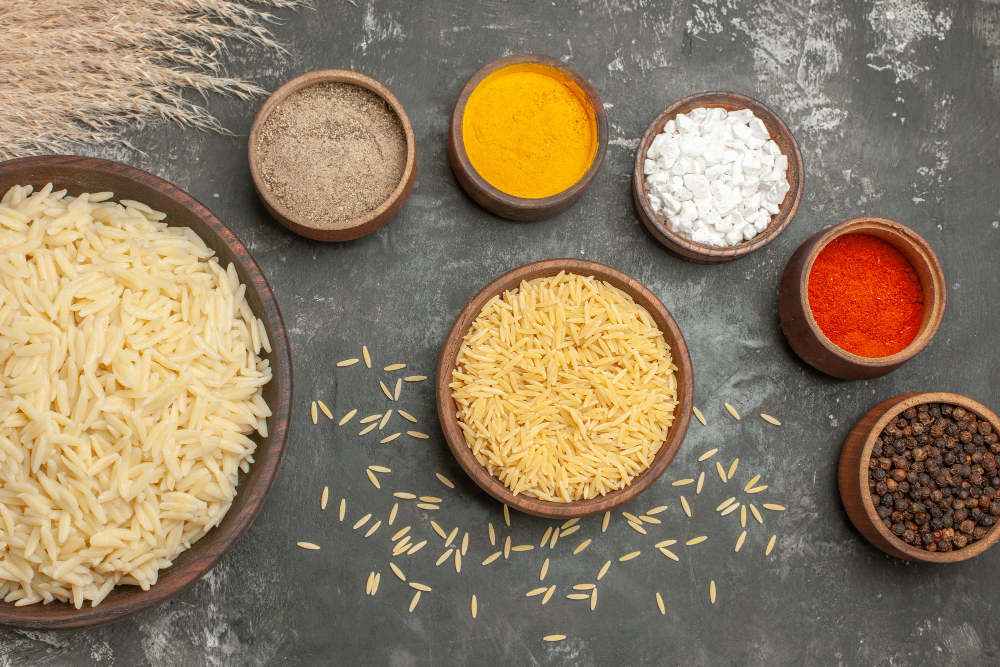
Basmati rice is one of the most respected and widely consumed rice types in the world. Known for its long grains, distinctive aroma, and excellent cooking performance, Basmati rice holds a strong position in domestic as well as international markets. From households to five-star hotels and bulk buyers, Basmati rice continues to be a preferred choice.
However, many buyers and consumers are unaware that Basmati rice comes in several varieties, each designed to meet different quality expectations, budgets, and market requirements. Understanding these varieties helps importers, wholesalers, and food businesses select the most suitable rice for their needs.
What Makes Basmati Rice Unique
Basmati rice is distinguished by its naturally long grains, pleasant aroma, and ability to elongate after cooking. Unlike regular rice, Basmati grains remain separate, fluffy, and visually appealing. These qualities make it ideal for premium dishes such as biryani, pulao, and special rice-based cuisines.
Different varieties of Basmati rice are cultivated to meet varying demands for grain length, cooking time, and cost efficiency.
1121 Basmati Rice
1121 Basmati Rice is widely regarded as one of the finest Basmati varieties available. It is known for its extra-long grain length and remarkable elongation after cooking.
This variety is commonly used in premium dining establishments and export markets where presentation and quality are critical. The grains remain separate and aromatic, offering an excellent dining experience. Due to its premium nature, 1121 Basmati Rice is often chosen by high-end buyers.
1509 Basmati Rice
1509 Basmati Rice is popular for its balance between quality and affordability. It has slightly shorter grains than 1121 but offers faster cooking time and good elongation.
This variety is ideal for buyers looking for premium rice with cost efficiency. It is widely used in both domestic and international markets, especially where volume and pricing play an important role.
1718 Basmati Rice
1718 Basmati Rice is known for its consistent grain structure and pleasant aroma. It provides reliable cooking results and is suitable for regular consumption as well as bulk supply.
This variety is often preferred by wholesalers and distributors who require stable quality and consistent availability across shipments.
1401 Basmati Rice
1401 Basmati Rice delivers uniform grain length and dependable quality. It is commonly used for catering services, institutional buyers, and bulk supply.
This variety performs well in large-scale cooking environments where consistency matters more than extra-long grain length.
PR 11/14 Basmati Rice
PR 11/14 is a widely used variety due to its affordability and consistent quality. It is commonly chosen for daily consumption and high-volume supply.
While it may not offer the premium grain length of 1121, it delivers good cooking performance and value for money.
Conclusion
Each Basmati rice variety serves a specific purpose. Understanding these differences helps buyers make informed decisions based on quality, pricing, and market demand.
FAQs – Basmati Rice Varieties
Q1. Which Basmati rice is best for export?
A. 1121 Basmati Rice is commonly preferred for export due to its premium quality and grain length.
Q2. Which variety offers the best value for money?
A. 1509 and PR 11/14 Basmati Rice offer good quality at competitive prices.
Q3. Is all Basmati rice aromatic?
A. Yes, but aroma intensity may vary between varieties.